| | | | | |  | | | | | |
| |
|---|
|
| | Go beyond console.log and see how a pro spends less time debugging JavaScript and TypeScript | | |
|
|
|---|
|
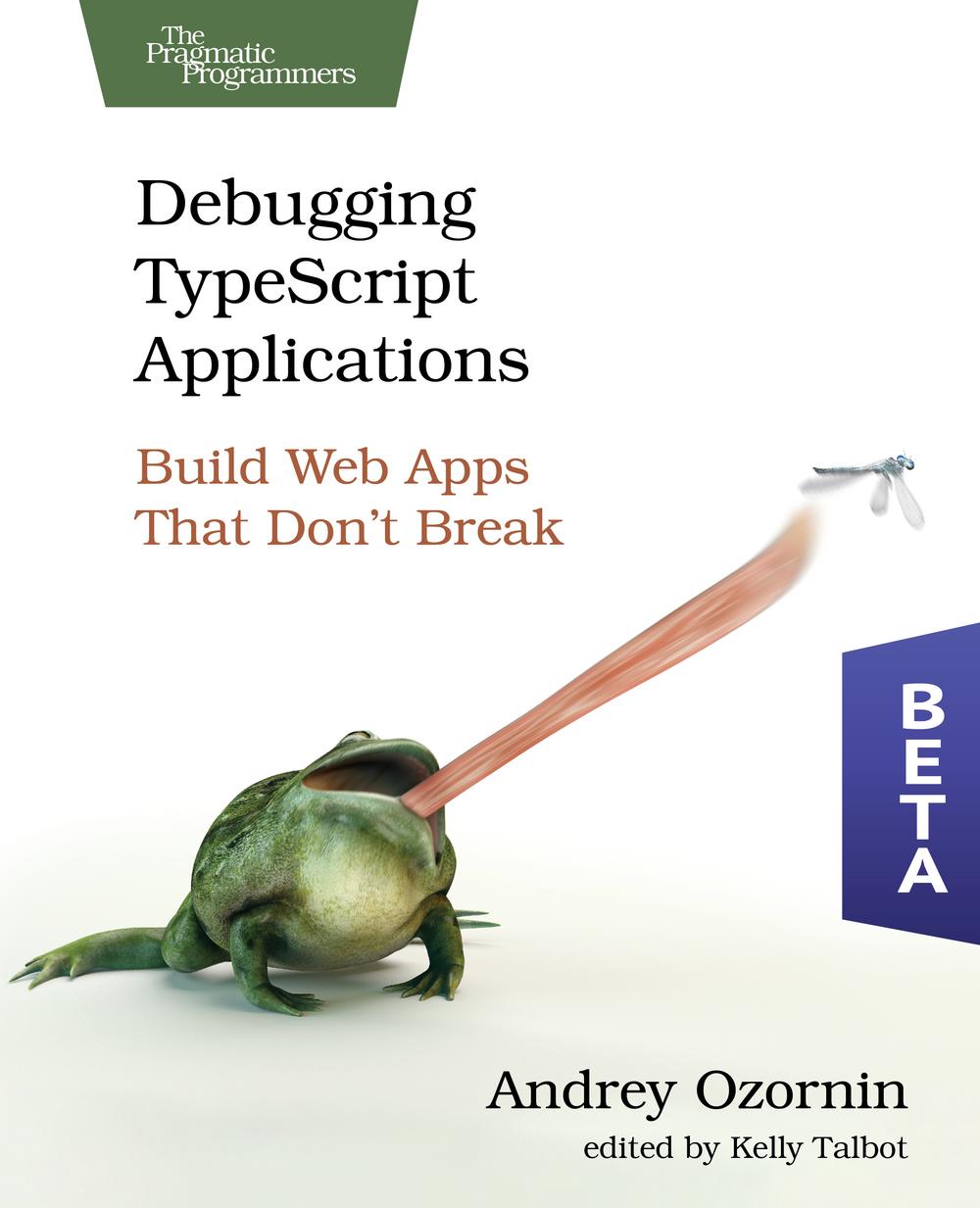
Debugging TypeScript Applications | | |
| | | | | | | Buy a Beta Book and you get ongoing access to a title as it is being written along with the final version once it has been produced. |
|
|
| | | | | | | | | | | | |
|
|
|
|---|
| | |
| | | | It's funny: when I learn a language, I'll spend hours exploring the edge cases and arcane syntax corners. But then, when it comes to debugging code in that language, I fall back on setting breakpoints and printing values; primitive and inefficient. | | |
| When it comes to debugging JavaScript or TypeScript in the browser, it turns out that I was only using 1% of the amazing developer tools environment. | | |
| A couple of pages into chapter one I discovered local overrides, which let you make persistent source changes in the browser. | | |
| In the next chapter, I learned about console.count() and also discovered how to add CSS styling to console messages. There's also a really useful object and function wrapper which will log all accesses. | | |
| It's Also About The Process | | | The book then takes a 90º turn with a fascinating chapter on bug triage: which do you fix first, and why? It even dives into using PERT and RICE to estimate a bug's impact. This is followed by a chapter on forensics and root-cause analysis: the five whys, failure trees, and the scientific method. The process section ends with a chapter somewhat grandly named Designing Software That Doesn’t Break. I think this chapter alone is worth the price of the book. | | | | | How do you identify a bug that messes up some value that causes some entirely different piece of code to fail? That's what we look at next, as we explore all the source-code features available in the debugger. Here I learned about the global variable feature which lets you access a local, private value as if it were global: you can even change it while the code is running. I also learned there are nine different breakpoint types; I wish I'd known about log points years ago; they'd have saved me so much time. | | |
| The chapter on Debugging Asynchronous Operations is also a goldmine, particularly for applications with lots of network traffic behind every page. | | |
| Debugging is the Tardis of Software Practices… | | | …because there's a lot more on the inside that is apparent from the outside. | | |
| I thought I knew a lot about debugging. This book proved me wrong, and I'm a better developer for it. | | |
| | | | |  |
|
|
|
|---|
|
| | | | | | | | | | | |
|
|
| Debugging TypeScript Applications | | |
| | | | | | | Buy a Beta Book and you get ongoing access to a title as it is being written along with the final version once it has been produced. |
|
|
|
|---|
| | |
This email was sent to {{ contact.EMAIL }} You received this email because you are registered with Pragmatic Programmers, LLC
Replies to this email will be sent to an unmonitored email account.
|
| | |
|
|
|---|
|
Pragmatic Programmers, LLC
PO Box 271356
Flower Mound TX 75027 |
|
|  | |
|  | |
| |
|---|
|
|
|
|
|
|
|---|
|
© 2025 Pragmatic Programmers, LLC |
|
|---|
|
|
|